Case Study:
Inventory Optimization
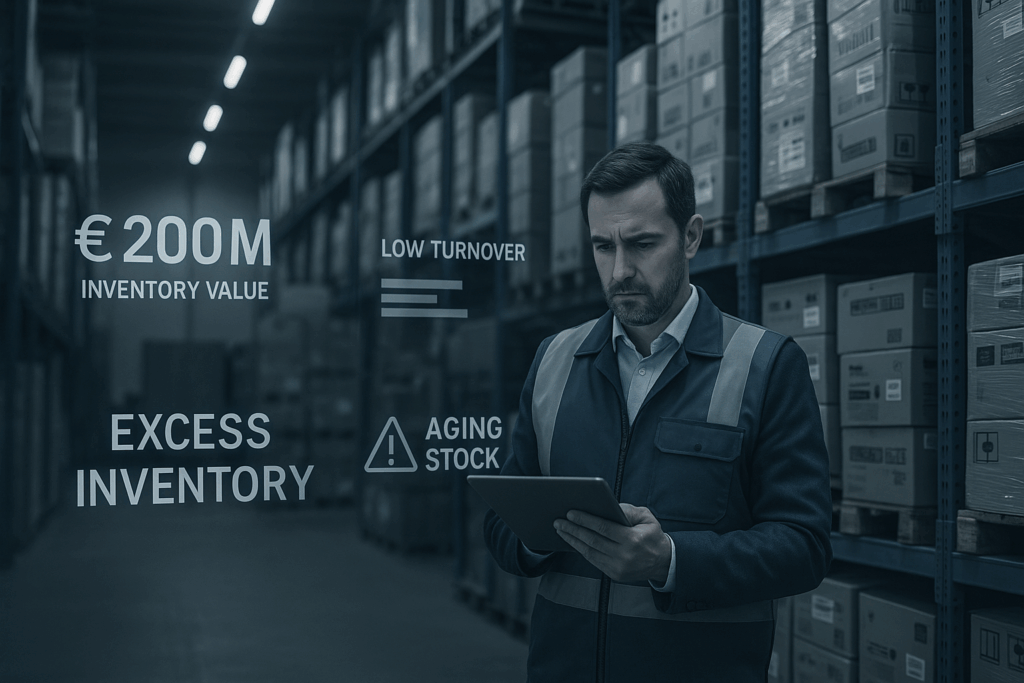
Initial Situation
- Significant inventory buildup due to pandemic-related safety concerns and long lead times
- Inventory levels increased drastically in value
- High „Months of Supply“ for multiple vendors
- Low inventory turnover in many product groups
- Increased risk of aging stock, write-downs, and cash flow impact

Actions & Approach
Structured Inventory Optimization Approach
1. Inventory Transparency
Weekly dashboard with all relevant KPIs:
Inventory Total / Projected Inventory Trends / Months of Supply / Turn Ratios / Overdue Backlog
- Vendor-specific analysis & urgency classification
2. Targeted Inventory Actions
- Prioritized measures for the tier 1 manufacturers
- Initiated inventory promotions, vendor returns and customized reallocations
3. Cross-Functional Collaboration
- Coordination with Sales, Finance & Demand teams on push/pull scenarios
- Integrated financial criticalities (e.g. Shipment Blocks)
- Analyzed backlog risks & initiated reallocations for at-risk inventory
4. Structured Decision Reviews
- Weekly performance reviews at SKU/vendor level
- Early warning system for aging stock
- Included risk backlog in action planning
Results & Impact
- Significant inventory reduction with Tier1 suppliers within 3 months
- Reduced inventory reach
- Improved turn ratio in strategic product groups
- Avoided write-downs on excess inventory
- Improved transparency for management decisions and controlling